Как да убедите родители си да ви пуснат на обмен в чужбина

Showing posts with label ENG-Bulgaria. Show all posts

Tuesday, March 8, 2016

Опитът на един ученик на обмен в Дания... Яна Иванова (A student experience in Denmark... Iana Ivanova)

Our dear student Iana took the time to answer some questions, so let's jump right into it! 
(You can find the English version below)


Как се чувствам в Дания сега?


В Дания съм от 7 месеца и ми остават още само 4. И като си помисля, че времето ми тук свършва не мога да повярвам колко бързо отлетя! Все още не мога да осъзная, че ще напусна дома, приятелите и семейството си тук. Как се чувствам ли? Чувствам се щастлива, че съучениците ми, другите ученици на обмен и най-вече приемното ми семейство отвориха сърцата и домовете си и споделихме толкова невероятни моменти заедно! Знам, че винаги когато се върна ще има при кого да дойда и ще ме приемат отново с отворени обятия. Беше ми тъжно когато напусках дома си за 11 месеца, но знаех че ще се върна. А когато трябва да напусна и втория си дом и никога вече няма да имам този живот- тук и сега… сърцето ми се свива само при мисълта за това. Сега Дания е моят дом и аз го обичам, както и всички с които направихме тези месеци незабравими!


Какво най-много ме изненада от страната?

Когато заминавах за Дания не знаех много за страната и хората тук. Четох много и бях чувала доста стереотипи, за това си признавам, че първото което ме изненада е, че не всички са високи, руси и стройни . Тук има хора от всякаква раса, религия и сексуална ориентация, хора с различни възможности и социален статус и всички са равни! Очаквах хората да са по-консервативни и традиционно мислещи, но те ме изненадаха с безграничното си приемане на различни култури и начини на мислене и техните „странности“

Нещо за семейството ми…
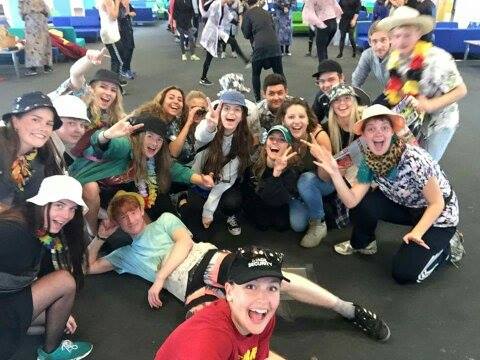
Ах! Семейството ми е страхотно! Много сме различни един от друг и въпреки това станахме семейство. Спомням си първия ден, когато дойдох при тях, колко бях развълнувана и леко стресната от голямата промяна, но те бяха до мен. Направиха всичко, за да се почувствам като у дома си. И от тогава не спират да се интересуват от мен, а аз знам че мога да споделя с тях, ако нещо ме тревожи или ми липсва България. Показаха ми неща за които дори не съм се и замисляла (пр: карамелизирани картофи:D ) Заедно ходихме на невероятни места, и са винаги готови да се погрижат за мен, когато имам нужда от тях. Те са веселяци и през цялото време се смеем и забавляваме, за по-добре прекарано време с тях не мога и да мечтая!

Какво научих до сега?

Не знаех, че за толкова кратко време е възможно да науча толкова много неща, както за себе си, така и за света и хората около мен. В датския езика има една дума- „hygge“. Тя не може да се преведе, но описва чувството когато си заедно с близки за теб хора, вътре, на топло и играете „Не се сърди човече“ ;). Предполагам, че на български думата би била „уют“ + „любов“. Пълният смисъл на думата разбрах на Коледа, когато цялото семейство пяхме песни около елхата, ядохме сладкиши и си разменяхме подаръци! Освен езика и всички нови емоции мисля, че едно от най-важните неща които научих на обмена си до сега е как всичко си има по няколко пласта. Когато се намираш в страна където всичко е различно и хората възприемат света по различен начин е неизбежно и ти самия да погледнеш на нещата от друг ъгъл. Винаги съм смятала това за изключително качество. Това е най-ценния урок който научих още в първите си месеци тук и мисля че живота в друга държава е най-бързия начин да го науча!

Какво бих казала на всеки който иска да стане ученик на обмен с YFU?


Знам, че изглежда плашещо просто да „зарежеш“ живота си у дома, семейството и приятелите си. Страшно е и да се озовеш сам на място където никой не те разбира (поне в началото) и е трудно да се справиш с чувствата бушуващи вътре в теб, знам. Но истината е, че не си сам! YFU е като едно огромно семейство, което се грижи за теб, но отдалече, за да ти даде достатъчно пространство да изявиш целия си потенциал. Всички в организацията разбират през какво минаваш и са до теб, за да ти помогнат. Също така има още толкова много стреснати ученици, които изживяват абсолютно същото като теб. А най-якото е, че откъдето и да идват, колкото и да сте различни те стават най-добрите ти приятели! Това и е уникалното на тази година- запознаваш се с изключително много хора с които още след третия ден от лагера имаш чувството че сте били заедно от малки. От напълно непознати, за една година, станахме семейство! Родителите ми обичат да казват, че да отидеш на обмен е като съвременна казарма, защото калява характера ;). Аз обаче бих казала, че това е възможно най-забавната версия на предстоящия ни живот като възрастни. Вместо да се хвърлиш направо в дълбокото, първо се гмуркаме плавно и неусетно за да видим красотата която ни очаква. Никой не обещава, че е лесно, но бих го направила отново и отново защото определено си заслужава!


How do I feel in Denmark?
It has been 7 months that I am in Denmark and I have only 4 more. And when I think that my time is coming to an end, I cannot believe how fast it flies away. I still cannot believe that I will have to leave my new home, friends, and family in Denmark. How do I feel? I feel so happy that my classmates, the other exchange students, and most importantly my host family have opened their hearts and homes and we have spend so many incredible moments together. I know that every time I come back in Denmark, I will have a place where I will be welcomed. I was sad when I had to leave my home for 11 months, but I knew I will come back again. And now when I think that I will have to leave my second home, and I will never “live this life ever again” my heart is aching. Now Denmark is my home – I love my new home, as well as all the people who made these months unforgettable!
What surprised me the most in Denmark? When I left Bulgaria to come in Denmark, I did not know anything about the country and the people. I had read a lot and I had heard many different stereotypes. This is the reason I was very surprised that not everyone is tall, blond and in good shape. In Denmark you can see people from different race, religion, and sexual orientation, as well as people having different social status, and they are all equal! I was expecting the people to be more conservative, but I was surprised by their acceptance of other cultures and mindsets and by their cure little weird habits.
Something about my family…
I have a great family! We are very different, but we have became a real family! I remember the first day when I met them – I was so excited and somewhat scared of the big change, but they were there for me. They made everything, so that I feel at home. Since that moment, they have always been taking care of me, and I know that I can tell them when I am worried or homesick. They have shown me new things—caramelized potatoes, for example. Together we have been to wonderful places, and they are always there for me when I need them. They are happy people, we laugh and we have fun all the time – I could not imagine a better way to spend may time with them.
What have I learned so far?
I did not know that for so little time I could learn so many new things about myself, as well as the world and the people around me. In Danish we say „hygge“. It has no translation, but describes this feeling when you are surrounded by your loved ones at a warm place where you play together board games (Ludo, for example). I guess the closest translation of that word would be “cosy” + “love”. The full sense of this word I learned on Christmas when we were singing songs around the Christmas tree, we were eating sweets, and exchanging gifts. During my exchange I have discovered not only the language and many new emotions, but also that everything in this world has several layers. When you live in a country where everything is different and the people see the world in a different way, it is only a matter of time that you too start looking from their perspective. I have always considered this to be a great feature! This is the most important lesson I have learned during my first months here, and I believe living in another country was the fastest way to learn it.

What would I say to a student who wants to go on exchange with YFU?
I know that it may look scary to “leave” you live, family, and friends. It is also scary to find yourself at a place where people do not understand you (at least in the beginning). It is also difficult to deal with all those feelings, I know that. But the true is that you are not alone in this! YFU is one big family that will take care of you while giving you enough space to show your full potential. Everyone in the organization know what are you dealing with you right now and will help you in that. There are also many other scared students who are going through exactly the same as you do. And the best part is that you may come from different places and be so different from each other, but you always become best friends! This is what makes this year so special – you meet so many new people and you have the feeling that you have always been friends. We were complete strangers, now we are family! My parents used to say that going on exchange in like going in the army, because it makes you stronger! I would say that this is the best version of what is waiting for us in our adult life. Instead of going in the deep right away, we take little steps in order to see the beauty that is waiting us. No one says it will be easy, but I would do it again and again, because it is definitely worth it!


Thursday, July 24, 2014

Spend Christmas on Exchange in the Balkans

Bulgarian Christmas feast (source)

3 Countries – 2 Christmases – 1 Experience!


Have you ever thought you could have the chance to experience your favorite childhood celebration twice in one year? What if you could do this, and at the same time, learn about foreign countries, their people, and how they celebrate one of the most important and significant holidays in their culture? This is exactly what you can do with the Balkans 3-2-1 Christmas Program. As you travel through Romania, Bulgaria and Serbia over 6 weeks, you will gain a fascinating insight into the Balkans and how they celebrate the Christmas period!

Your journey will start in Bucharest, Romania. Although the country has a reputation for being the homeland of Count Dracula, this need not affect your Christmas mood as you arrive two days before the day of St. Nicholas. According to locals, St Nicholas’ Day on December 6 marks the beginning of the winter and Christmas celebrations in Romania. Legend has it that on the night of December 5, St. Nicholas himself comes and fills children’s boots with candies and other gifts. You will spend two weeks here attending a Romanian school before the Christmas break, and learning about their culture and Christmas traditions.

On December 20, your group will depart for Bulgaria, where you will celebrate your first Christmas of the program. In the capital city of Sofia, you can do your Christmas shopping in the traditional German Christmas market, or take a day to climb the city’s 2000-metre high mountain, Vitosha, where you can look over the sprawling city. Bulgaria has many Christmas traditions that are still followed by some people, including keeping a vegetarian diet during the weeks before Christmas. When they have their major feast on Christmas Eve, it is tradition to only lay an odd number of dishes on the table, and leave the leftovers there until the next morning in case the ghosts of deceased family members are hungry.

After spending your first Christmas and New Year’s Eve in Bulgaria, you will head to Serbia. The Serbs celebrate Christmas on January 7 instead of December 25, as according to the old Julian calendar. So here, you will get to celebrate your second Christmas! The traditions surrounding a Serbian Christmas are often very complex, including finding the perfect tree branch to burn on the fire, and spreading straw and walnuts over the floor on Christmas Eve. There is also the custom of ‘koleda’, where a group of masked and costumed young men go from house to house singing special songs and performing acts of magic to summon health, wealth, and prosperity for each household. So, be prepared for anything!

If spending this coming Christmas in the Balkans sounds like something you’d like to do, contact your local YFU organization about how to apply, or click here for dates and more information.

Wednesday, March 19, 2014

Baba Marta

Martenitsi in a blossoming tree (source)
In Bulgaria, the coming of Spring is a very important event. Every year on March 1st, the country celebrates Баба Марта (Baba Marta, or Grandma March in English). In Bulgarian folklore, Baba Marta is a grumpy old woman whose mood can change rapidly, and this is the cause of the changeable March weather.

On March 1st and throughout the month, Bulgarians give each other martenitsi, which are red and white threads woven together usually in the form of a wristband. The martenitsi are exchanged in order to wish great health, good luck, and happiness to your family and friends.

The most traditional martenitsi have two small dolls made from wool, called Pizho and Penda. However, there are many different types you can make and buy, and it is common to see street sellers everywhere in the lead up to March 1st!

Martenitsi are usually worn around your wrist or pinned to your clothes. When you see the a stork, or a tree in blossom for the first time that season, you take off your martenitsa and tie it onto a tree for good luck in the coming Spring!

One of our exchange students from Thailand wrote about experiencing her first Baba Marta:

It’s me again, Thanatcha!

On the 1st of March at breakfast time, I received two martenitsi from my host mom and my host sister. I was very excited about it. Unfortunately it was a Saturday, so I didn’t have a chance to see my friends. We went to visit our relatives and I got some more martenitsi!

Later when I went to school, there were several friends who gave me martenitsi and it really pleased me. I consider it an action that shows our feelings for the ones we love. Some of them asked me to make a wish while they were putting martenitsi on my wrist. May Baba Marta bless us all!

Making your own martenitsa is fairly easy, and all you need is some red and white wool! Here is a great tutorial if you want to try it at home.

Don't forget to wish the recipients health, luck and happiness when you give them away!

Monday, February 17, 2014

Four Seasons Outdoor Program in Bulgaria

Thousands of people come on holiday to Bulgaria each year, and there is one major attraction that usually draws them in: the amazing nature. The Bulgarian landscape is very diverse, with mountains, valleys, rivers, plains and beaches. How on earth would you be able to see everything, even when you spend a whole year on exchange in Bulgaria?

You can choose our Four Seasons Outdoor Program!

As an addition to our standard academic exchange year, the Four Seasons Outdoor Program offers you the chance to go on small trips every month or so to experience the vastness of the Bulgarian nature. From heavy snow to hot sunshine, you can enjoy the distinct four seasons that we have with different activities throughout the year.

Here’s an overview of some of the things you may get to do during the program:

Autumn: September to November

Photo by Nick Doyle
Your first few months in the country are sure to leave a great impression on you. Autumn is one of the most beautiful times of the year in Bulgaria. The leaves change colour and start falling from the trees, and we will have plenty of activities to keep you busy before the weather gets cooler.

One trip will be to the Vazduharia Festival, which takes place in a town in central Bulgaria every year. While there, you’ll get to experience a ‘carnival in the air’, with performances by costumed paragliders and world-famous pilots. You’ll also get to partake in various activities at the festival, such as a ropes course, slack lining and Kung-fu training.

During autumn, you will also get to take part in several 1- and 2-day camping programs around the countryside, and experience Bulgaria at its best. By joining the Bulgarian scouts on their hikes, you might get to see mountains, lakes, caves or waterfalls!

Winter: December to March


Photo by E01
Snowfall in Bulgaria will often start from mid-November, and can last until well into March! Luckily in most cities there are often long periods between snowfalls, but winter in the mountains is very different. We will take you to the beautiful Rila Mountains for a weekend of skiing and ice-skating, where there will be clear skies, lots of sunshine and crisp snow.

Along with practicing your skiing, you will also get to partake in a course at a white mountaineering school where you can take some climbs and pick up the basics of mountaineering.

Spring: April to May

Photo by Stef K
Spring in Bulgaria is often unpredictable, and it can still be quite cool with some wet weather. However, spring also means blossoming trees and lots of celebrations and festivals!

One festival that you will get a chance to visit is the Rose Festival in Kazanluk. Bulgaria is one of the biggest producers of rose oil in the world, and the Rose Festival originates from the celebrations that were traditionally held at the beginning of the rose-harvesting period. You will get to see the festival parade, visit a bazaar of traditional Bulgarian crafts, and experience the ritual gathering of the roses among many other activities.

In spring there will be the chance to attend a ropes course in Sofia, where you will get to see Bulgaria from the treetops! It will include rope bridges, rope ladders, and an alpine trolley. You may also get to take a mountain hike in the famous Stara Planina mountain range.

Summer: June

Photo by Plamen Stoev
Just before your departure back to your home country, you will get to enjoy a little piece of the warm Bulgarian summer! Summer can be very hot and dry, with temperatures getting up to the mid-30s in the height of summer.

We will spend a weekend visiting an eco-farm near Sofia to learn about the preservation of the unique and rare Bulgarian animals, the uniqueness of the traditions and manner of living in Bulgaria, and bio-agriculture. While there you will also get a chance to take horse-riding lessons!


These activities are just examples, and may not be available during your exchange year—but you might end up doing something even more fun instead! These trips are in addition to the arrival, mid-year, and re-entry seminars that every exchange student in Bulgaria attends.

So if you want to have a truly in-depth exchange experience where you can be close to nature, come to Bulgaria and get to know our country in all four seasons! For more information and how to apply, contact your local YFU organisation by going to www.yfu.org.

Friday, January 24, 2014

Christmas in Bulgaria

Bulgarians love to celebrate Christmas, and the festive season here involves many rich traditions. These include a vegetarian fast on Christmas Eve, Christmas carolers in the villages, and good luck charms baked into breads and pastries. Everything is bedecked in Christmas lights, and if you are in a larger city such as Sofia or Plovdiv you can visit the German-style Christmas Markets to enjoy the festive atmosphere!

Despite being a prominently Christian Orthodox country, Bulgarians follow the Gregorian calendar and celebrate Christmas on December 25 instead of January 7 like many other Christian Orthodox countries.

Two of our current inbound exchange students wrote about how they spent Christmas with their host families and the Bulgarian traditions they enjoyed over the holidays.

Christmas lights in Varna

Thanatcha's Christmas

Thanatcha is 16 years old and comes from Nonthaburi, Thailand. She is living with a host family in Plovdiv, Bulgaria. As Thailand is largely a Buddhist country, this was her first time ever celebrating Christmas.

There are not many Christians in Thailand, so Christmas is not celebrated as a big deal. Many Bulgarians are Christian Orthodox. Most Orthodox Christians have a later Christmas than most (on January 7), but my host parents told me that Bulgarians celebrate the holiday on the same day as the international one (December 25).

Thanatcha's first Christmas tree
At my host school the day before the Christmas break, they organized a charity market selling food. The money from the sale went to a charity organization, and every class prepared some food to sell. My classmates prepared some muffins and cookies, and we sold them to other students. I even played my ukulele to attract customers!

My host family and I started to decorate our house two weeks before the Christmas holiday. We decorated our house with colorful lights, dolls, stickers and a bell. Then a week before Christmas, we put up a real Christmas tree in our living room. I made a wreath of mistletoe on Christmas Eve, and I am so proud of it. During the Christmas holidays, my host family and I went to visit their relatives’ household and had a big meal with them.

A very special food we had was ‘banitsa’. It is pastry with white cheese, Bulgarian style. Inside the banitsa are good luck notes, and also a leaf for good health. Another highlight of the Christmas meal here is ‘pitka’. It is bread which contains a Bulgarian coin (stotinka) inside.

We stayed awake all night long and opened our presents on the 24th of December. I got a sketch book and a bar of chocolate from my host family. Christmas was full of impressive traditions. It was fun and warm. I loved this Christmas and it was my first Christmas ever.


Valeska's Christmas

Valeska is 16 years old and comes from Wennigsen, Germany. She is living with a host family in Botevgrad, Bulgaria. 

Before Christmas I had no idea what to expect because I literally knew nothing about what would happen and what we would do. I remembered having read about some old traditions that are still followed in Bulgaria, so I was really looking forward to it.

Traditional Bulgarian banitsa with a lucky fortune baked inside
On Christmas Eve the first traditions came up as my host family and I were about to have dinner. We had no animal products to eat and there had to be either 7, 9 or 12 dishes on the table. One of those dishes was homemade bread called pitka, which had a coin hidden in it. The one who finds the coin in their piece of bread would have luck in the following year.

On the next day, Christmas Day, we opened the presents in the morning. It made me really happy, because I was honestly not expecting any presents since it was already so nice of the family to let me stay with them. I was really thankful for the things I got.

For lunch on Christmas day we then drove to my host family’s relatives in Sofia. We had a turkey and a lot of other food. Again, presents were exchanged and we drove back home. All in all, it was a really nice Christmas for me. It was really interesting to experience all the traditions of a different culture, and see how different it was compared to a German Christmas and all the things that I am used to.

Monday, January 6, 2014

5 Reasons to Choose Bulgaria for your Exchange Year

Going on exchange to any country is a great chance to broaden your horizons and improve your confidence! Through discovering a new place, becoming part of a new family and learning a new language, a YFU exchange program will impact on you in amazing ways, and give you life-long connections with the people you meet.

If you have decided to go abroad with YFU in 2016, then it’s likely you have already chosen your country and you’re just counting down the days until you leave. Or are you one of those students who has left your decision to the last minute… only to find that all the “good” countries have already reached their maximum intake? Or are you after a change from the more popular countries, and want to apply for somewhere a little different? Well don’t worry, because YFU Bulgaria is here!


Yantra River, northern Bulgaria (photo by Dennis Jarvis)

Here are five reasons why you should choose our little-known country for your exchange year:

1. You will learn a new and unusual language

When you come on exchange to Bulgaria you will go through a 4-week intensive language course, and then your classes at school will be in Bulgarian! It sounds daunting at first, but after spending a year here you will leave with a great grasp on the language. Bulgarian uses the Cyrillic alphabet, but the grammatical system resembles the English one.

Bulgarian is a unique language that you will definitely enjoy studying. So next time your friends are bragging about their French and Spanish skills, you can impress them all by saying you speak Bulgarian!

2. You're getting off the beaten path

How many people do you know who have visited Bulgaria? Probably very few! You might be the first person in your home country to come to Bulgaria on a student exchange, and you'll get to spend your year abroad as one of very few exchange students in our country.

We don't have a very high number of inbound students, and you will more than likely be the only exchange student in your school. This makes exchange students here very special! Everyone will want to find out more about you and why you came to Bulgaria, so you certainly won't find it hard to make new friends.

3. You can have unique outdoor experiences

If you decide to come to Bulgaria for your exchange year, you have the option of choosing our Four Seasons Outdoor Program. The program has the same features as the academic year program, plus a variety of outdoor activities that take place about once a month throughout the year.

You will go skiing and ice skating in the Rila Mountains, attend a paragliding festival in Kalofer, visit Kazanlak for the Rose Valley Festival, go horse-riding on an eco-farm, and travel around the Bulgarian countryside for mountain hikes in places like Stara Planina. You'll do seriously cool things that very few exchange students ever get to experience, and enjoy the beauty of Bulgaria in every season!

4. The amazing food

Bulgarian food is one of kind. There is no concept of organic food here, because almost everything is organic! The yoghurt and white cheese (sirene) are world-famous and found on the table at almost every mealtime. Bulgarian yoghurt has a very distinct flavour, and can be found nowhere else in the world due to the specific bacteria used to produce it.

Another uniquely Bulgarian dish is banitsa, made from filo pastry, butter and eggs. It is usually made with white cheese, but there are variations with meat, pumpkin, spinach or onion. It is usually consumed for breakfast, but it tastes good at any time of the day!

5. The unique Bulgarian culture

Bulgaria is a country steeped in traditions. Folk music and dances are a very important part of Bulgarian culture, and different regions have different traditional dances. You should try and learn the dance of your region while in Bulgaria! During the year you will also get to celebrate your city's patron holiday, as every city has a patron saint they will honour once a year.

Another important celebration for Bulgaria is Baba Marta in March, when Bulgarians make and give martenitsa to symbolise the coming of spring. You wear them until you see a tree beginning to blossom, then you take it off and tie it onto the tree. Bulgaria also has name days, so if you're lucky you might also have a day dedicated just to people with your name!


So what are you waiting for? Check out our website for more details on coming to Bulgaria, and then contact YFU in your home country to plan the trip of a lifetime!